At a Glance
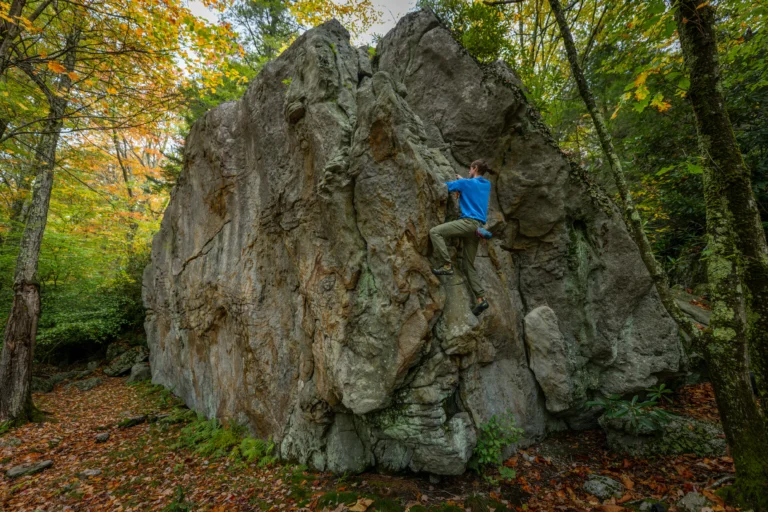
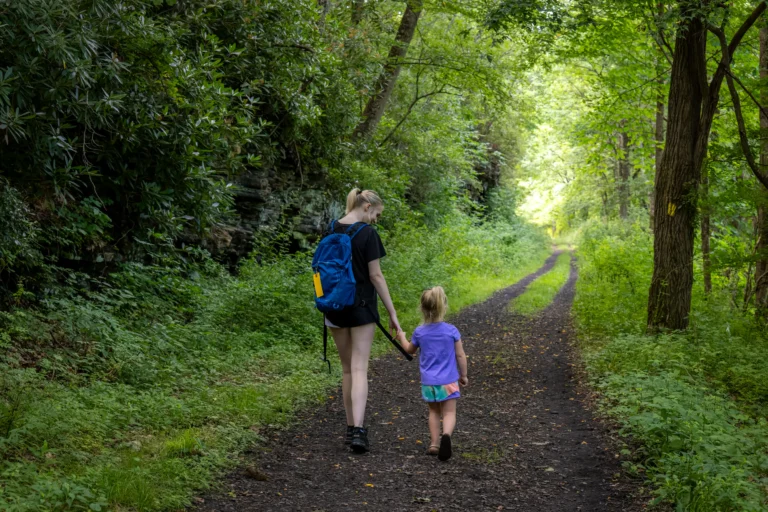
Located in the center of the Monongahela National Forest, Durbin serves as a quiet basecamp for hiking, biking, fishing, and horseback riding in some of West Virginia’s most remote mountain landscapes. Visitors can arrive by the Cass Scenic Railroad Shay steam trains or pedal the West Fork Rail Trail through historic railroad corridors to downtown. High-elevation red spruce at Gaudineer Knob, trout fishing along Shavers Fork, and the Mower Basin mountain bike trail system offer diverse recreation within minutes of town. Local restaurants and camping areas make extended stays easy, while nearby Green Bank Observatory and the National Radio Quiet Zone provide off-the-grid appeal for this practical forest gateway
Places to Play
Itineraries
Stay
Nestled in the center of the Monongahela National Forest, Durbin is the perfect jumping-off point for outdoor adventures. Grab a bite of hometown cooking or sate your sweet tooth with a specialty latte or classic ice cream cone. Durbin also offers lodging options for any length of stay, including several campgrounds, hotels, and historic downtown rentals.
History
Long before it became a town, the land that is now Durbin was part of a rugged frontier where early settlers faced harsh winters, remote isolation, and the constant challenges of mountain life. The area gained strategic importance during the colonial era and later the Civil War, serving as a fortified outpost and toll point along the Staunton–Parkersburg Turnpike, a critical east-west route through the Alleghenies. Durbin’s transformation accelerated with the arrival of the railroad in the early 20th century, when it became a key junction between the Western Maryland Railway and the Chesapeake & Ohio Railway, a rare point of connection between two major competing lines. This access to transportation and timber turned Durbin into a booming forest-industry hub, complete with mills, tanneries, commercial blocks, and banks that placed it at the center of regional corporate activity. Though the mills and rail operations eventually disappeared, Durbin’s rail heritage lives on through the Durbin & Greenbrier Valley Railroad, and the town remains a gateway to the wilderness landscapes and logging history of the upper Greenbrier Valley.
Durbin, W. Va., 1909. Duez, Richard. West Virginia and Regional History Collection, West Virginia University Libraries.
Did you know?
Shaping the State
Located at an elevation of over 4000 feet, Cheat Mountain saw some of the highest battles in the Civil War’s eastern theatre, helping to define the shape of the mountain state
A Town with Sole
During WW2, Durbin’s tannery produced the soles for nearly every boot used by American soldiers. Built during the New Deal era, the neoclassical style headquarters of the Monongahela National Forest is located in downtown Elkins.
Accidental Old Growth
Durbin’s Gaudineer Knob Scenic Area features an old growth hardwood forest sparred from logging due to a surveying error.